
Storm Damage
Protecting Your Northern Cincinnati Home: How to Identify Storm Damage to Roofing and Siding
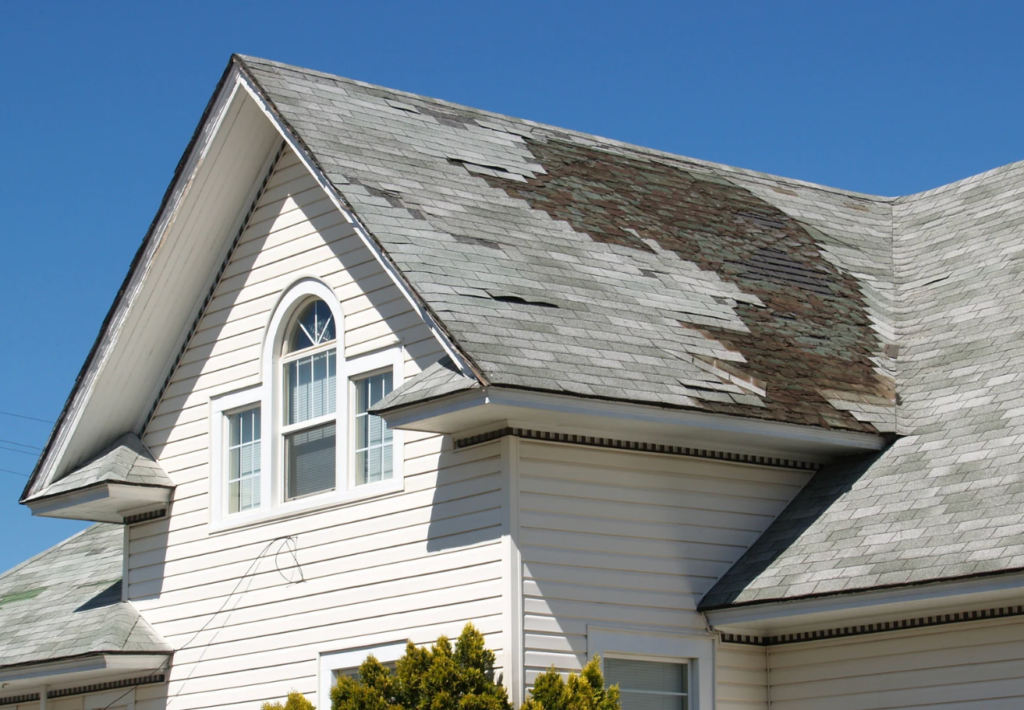
Living in Northern Cincinnati means enjoying four distinct seasons, but it also means facing the challenges that come with our variable Midwest weather. As a homeowner in West Chester, Liberty Township, Mason, or any of our surrounding communities, knowing how to identify storm damage is essential to protecting your property investment and ensuring your family's safety.
Understanding Cincinnati's storm patterns and their impact
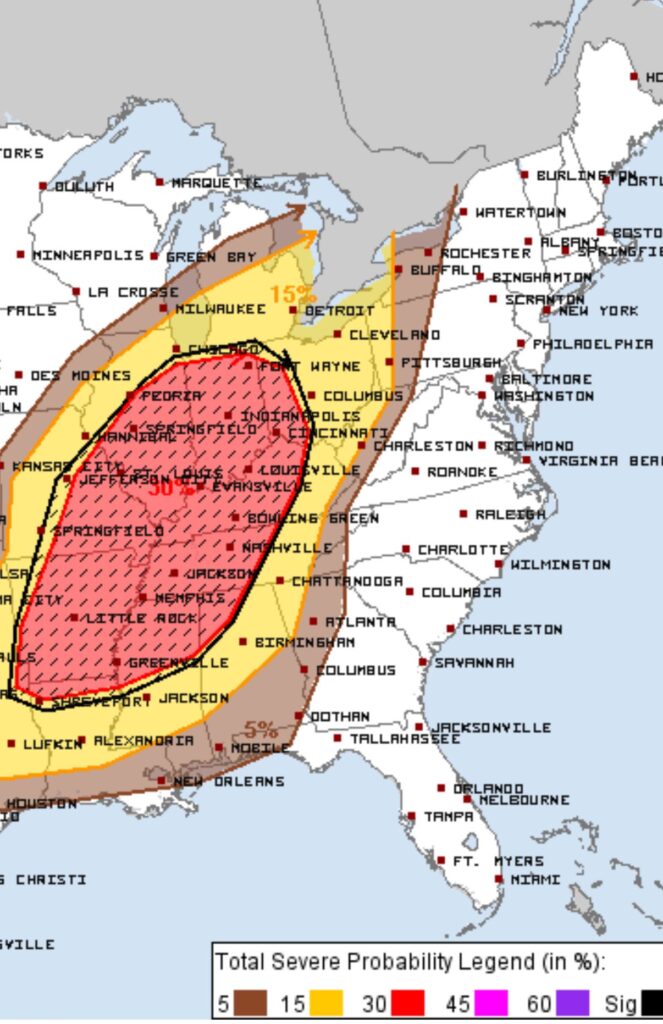
Northern Cincinnati experiences a range of severe weather conditions throughout the year. Spring and early summer bring the highest risk of severe thunderstorms, including heavy rainfall, strong winds exceeding 50–60 mph, hail events, and lightning strikes. During fall and winter months, homes face freezing rain, heavy snow accumulation, freeze-thaw cycles, and winter wind events. These seasonal weather events create a continuous cycle of stress on your home's exterior.
Critical signs to watch for after a storm
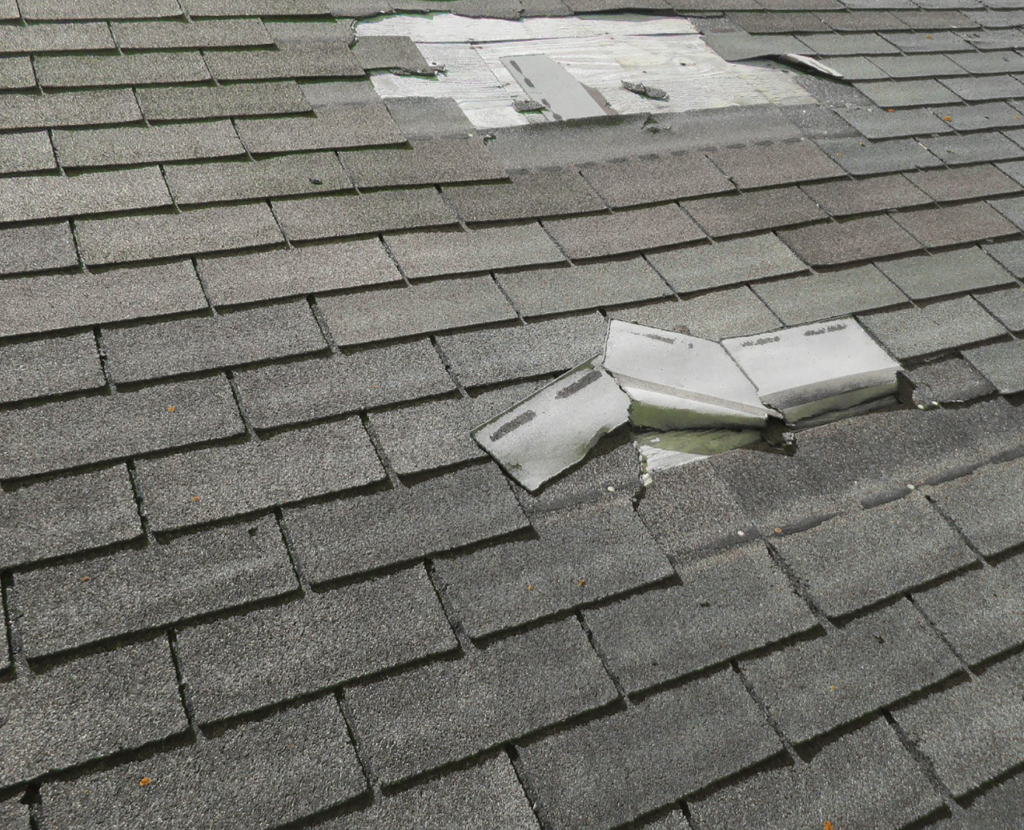
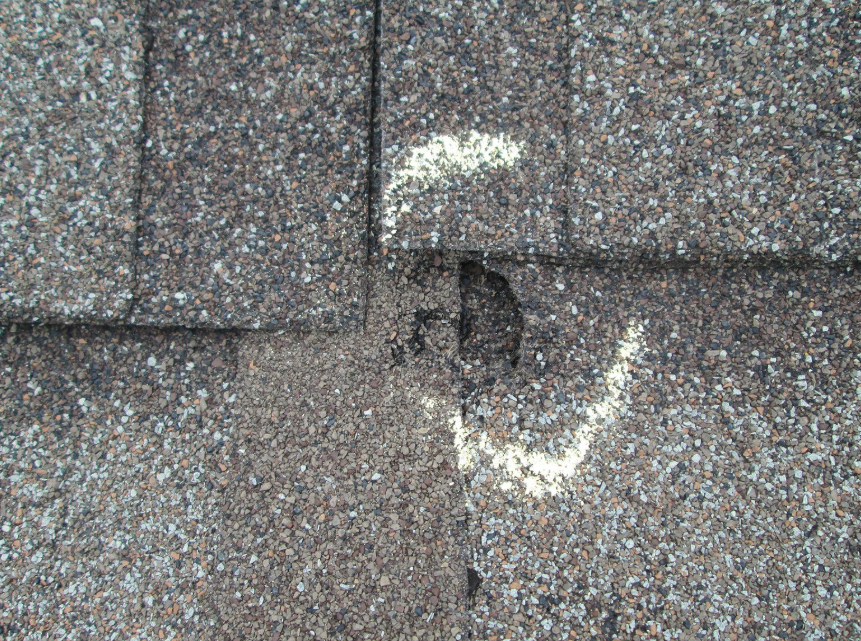
Your roof is your home's first line of defense against the elements. After a storm, look for missing, cracked, or curled shingles, bare spots, and shingle granules in gutters or downspouts. Hail damage can appear as dents or dimples in shingles, circular cracks in the granule surface, or exposed asphalt. Wind damage often shows as lifted shingle tabs, creased shingles, damaged flashing, or loose ridge caps. Interior signs like water stains on ceilings, damp spots in attic insulation, or peeling paint near rooflines indicate water penetration that should be addressed immediately.
Protecting your home's protective shell
Siding throughout Northern Cincinnati faces significant challenges during storms. Vinyl siding can develop cracks or holes from hail impact, warped sections, or loose panels. Fiber cement siding may show cracking along panel edges, moisture-related swelling, or impact marks. Wood siding requires attention for cracked or split boards, water staining, soft spots indicating rot, and peeling paint. Hidden damage can manifest as moisture stains on interior walls, increased drafts, or mold growth.
When to get a professional inspection
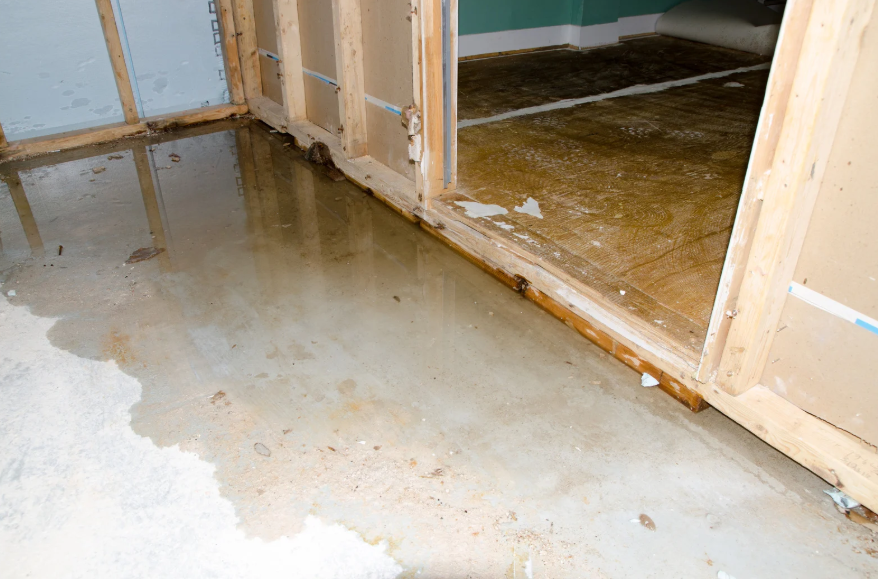
Schedule a professional inspection after hail storms with hail larger than 3/4 inch, wind events with gusts exceeding 50 mph, heavy snowfall followed by rapid warming, or any storm causing visible damage to neighboring properties. Don't delay if you notice active leaks, visible structural damage, large amounts of granules in gutters, or damage following a lightning strike. A thorough professional inspection includes comprehensive roof evaluation, attic inspection, complete siding assessment, gutter system check, and detailed documentation with photographs.
Navigating insurance claims for storm damage
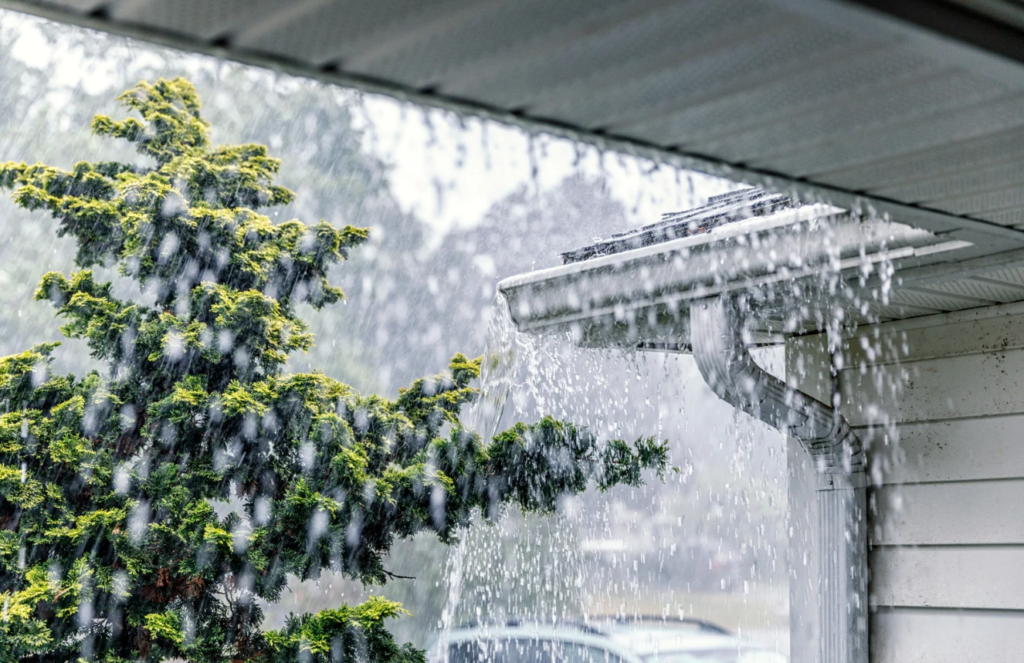
Review your insurance policy to understand your coverage and deductibles. Contact your insurance company promptly to report the damage and schedule an adjuster inspection as soon as possible. Consider having your contractor present during the adjuster's visit. Be aware of common pitfalls: don't accept initial claim denials without question, watch for supplemental damage that wasn't initially obvious, and avoid rushing into repairs before proper assessment. Thorough documentation strengthens your position when filing claims.
Preventative measures to protect your home
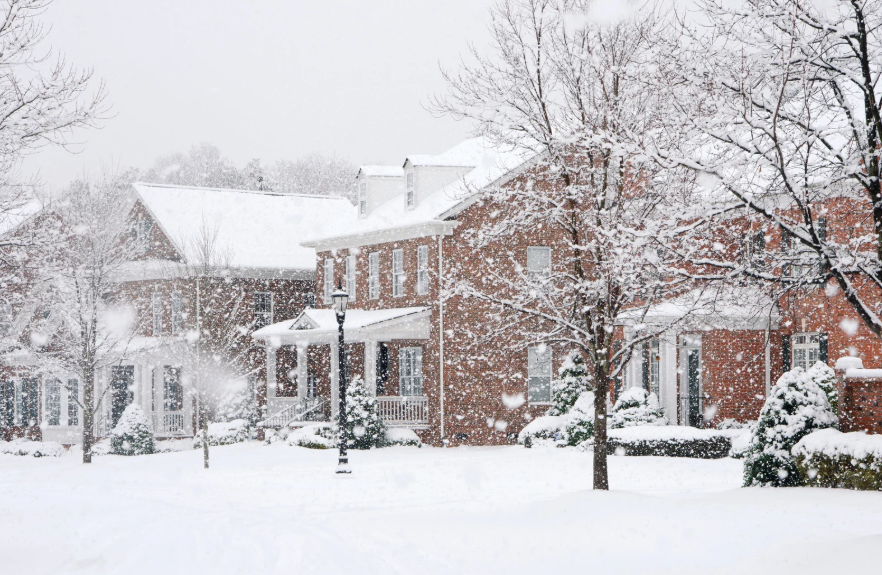
Schedule annual roof inspections before storm seasons. Keep trees trimmed away from your home. Clean gutters and downspouts regularly. Consider impact-resistant roofing materials rated for hail resistance, wind-rated siding products, reinforced roof attachment systems, water barriers in vulnerable areas, and upgraded gutter systems. These investments often pay for themselves through damage prevention and potential insurance premium discounts. Each season in Northern Cincinnati brings unique challenges requiring specific preventative approaches.